


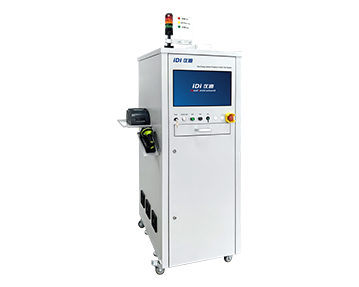
New Energy Vehicle Charging Function Test System
- It’s used for checking the charging functions of new energy vehicles, including AC charging function tests and DC charging function tests.
- Complies with various international regulations, such as ECE R 100,GTR No.20, IEC61851, IEC 62196, etc.
- It can detect vehicles from various countries, like European-standard cars, American-standard cars, Japanese-standard cars, and Chinese-standard cars.
Equipment Introduction
1、Basic Knowledge of New Energy Vehicle Testing
AC Charging Function Test: The slow charging function detection is to test the slow charging performance of new energy vehicles. The tester charges the new energy vehicle through the slow charging interface, thereby checking the vehicle’s charging status, including connection confirmation during AC charging, readiness for charging, start and charging stages, normal charging completion, PWM duty cycle changes, and current testing.
DC charging function test: The fast charging function detection is to test the fast charging performance of new energy vehicles. The tester charges the new energy vehicle through the fast charging interface to detect the vehicle’s charging status, including self-checking during the DC charging process, charging readiness, charging stage, normal charging completion, and real-time detection of charging parameters (including voltage, current, charging amount, SOC, battery temperature changes, etc.) through CAN communication.
2、Workstation layout:
The AC/DC charging function can only be tested after the vehicle is fully assembled and powered on, usually arranged at the vehicle’s offline testing station, repair area testing station, etc.
3、New Energy Testing Project Selection
Test item |
Parameters |
Communication charging function |
Single-phase 7KW; 220V AC/32A; |
Three-phase 22KW; 380V AC/32A; | |
DC charging function |
20KW; 1000V DC; |
30KW; 1000V DC; | |
60KW; 1000V DC; |

